The Wheel of The Year
The Wheel of the Year is an annual cycle of seasonal festivals that honour the natural cycles of life, death and rebirth. It marks the four main solar events in the year and the midpoints between them. Through the Wheel of the Year, we can see how the Solar Year matches each Lunar Cycle. This week's blog will look at each of the eight festivals with the corresponding lunar phase. (The following information relates to the Northern Hemisphere)
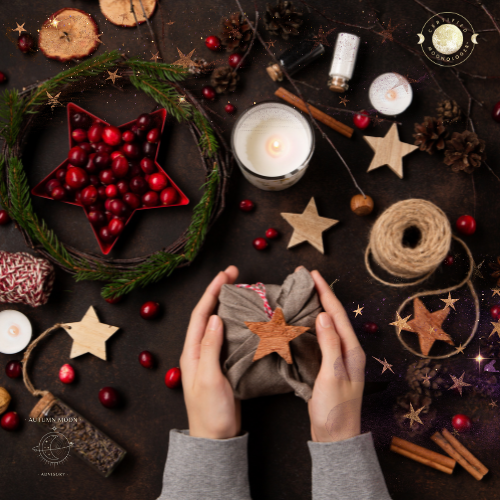
Yule (December 21st)
On the 21st of December, we have the Winter Solstice. This is the shortest day and the longest night and is equivalent to the New Moon. Just as the New Moon marks the beginning of the waxing part of the lunar cycle, this is the start of the waxing half of the year. The days slowly start to grow longer and warmer. While we are still in the Winter months, we often don’t feel like doing much, and just as the New Moon is a time for setting intentions, this is an ideal time to think about the change you want to make in your life in the New Year, the things you want to grow in your life and the experiences you want to have. It gives us something exciting to look forward to.
Imbolc (February 1st)
The first cross-quarter day usually falls on the 1st of February and is halfway between the Winter Solstice and the Spring Equinox. Traditionally known as Imbolc or Candlemas, this festival aligns with the Waxing Crescent Phase of the Moon. This is a time for spring cleaning to clear away what we no longer need and create space for what we actually want. In the Lunar Cycle, this is when we start to take action on our intentions. Being the start of February, this is also when most of us have given up on our New Year’s Resolutions, so it’s a good time to check in with what you actually want and make a new plan.
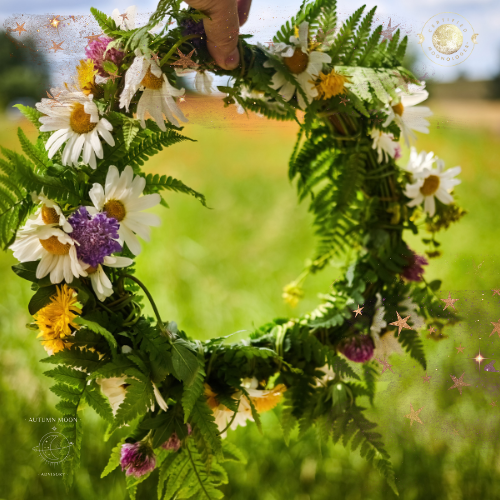
Ostara (March 20th)
The Spring Equinox is on the 20th of March and is when day and night are of equal length. This is a time of new beginnings, when life begins to bloom around us again and is similar to the First Quarter Moon. On the First Quarter Moon, we review our progress and adjust the plan as needed. The same can be done on the Spring Equinox, as we are usually starting to feel more energetic at this time of the year.
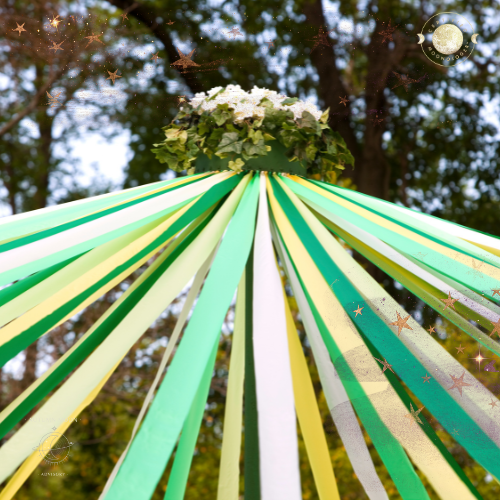
Beltane (May 1st)
The next cross-quarter day is halfway between the Spring Equinox and the Summer Solstice and falls on the 1st of May. Known as Beltane or May Eve (or May Day), this is a fire festival celebrating fertility (of animals and crops) and the coming Summer. It is equivalent to the Gibbous Phase of the Moon when energy and emotions are heightened, and we start to build momentum and excitement around our New Moon Intentions. The days are longer than the nights, the world is blooming around us, and new life is being born. Why wouldn’t you feel more energised and excited at this time of year?
Litha (June 21st)
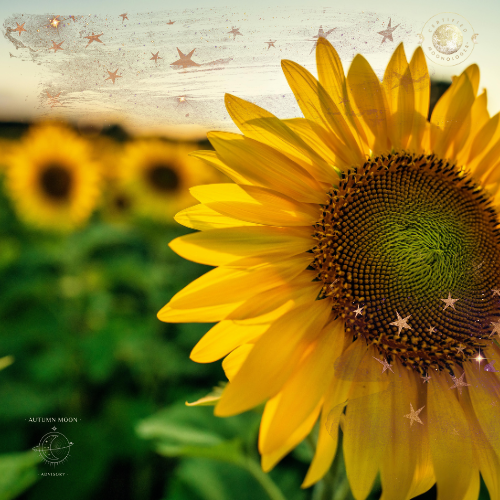
The Summer Solstice is on the 21st of June and is both the longest day and shortest night. Summer is at its peak, and this is a time to celebrate the abundance around us. This also marks the start of the waning half of the year, when the days begin to get shorter, the nights longer, and the harvest begins. This is the peak of the Solar Cycle, just like the Full Moon is the peak of the Lunar Cycle. Once the celebrations are over, it’s time to turn inwards, releasing what we no longer need and slowing down as we move towards Winter.
Lammas (August 1st)
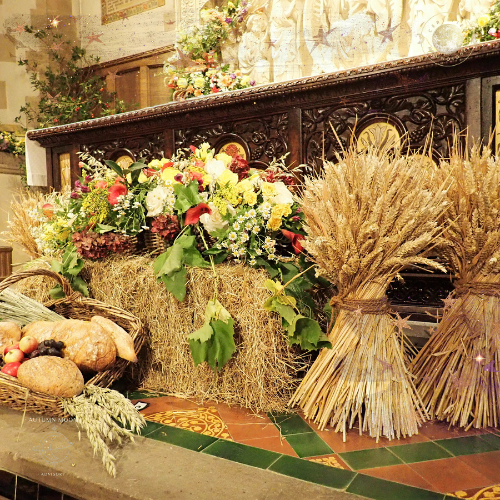
Lammas, or Lughnasadh, is the next cross-quarter day, halfway between the Summer Solstice and the Autumn Equinox, held on the 1st of August. This is the first harvest festival, celebrating the harvest of grains and the baking of bread. In the Solar Cycle, this is the Disseminating Phase of the Moon, where we start to reflect on where we are and bring things to a close. It was during the waxing half of the year that the seeds were planted, and now we receive the reward for our hard work through harvesting the crops. It is a good time to look at the progress you have made over the year and what you still wish to achieve.
Mabon (September 21st)
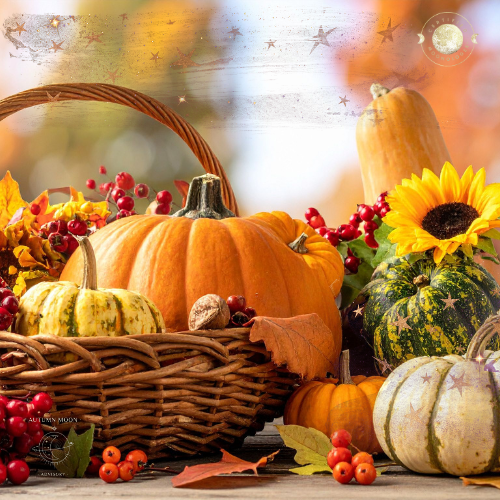
The Autumn Equinox is when day and night are again of equal length and falls on the 21st of September. This is the height of the harvest season and is the second harvest celebration. Represented by the Third Quarter Moon Phase, which is where we look at the progress we have made, and the lessons we have learned and think about where we want to go next. Traditionally, we would start to gather our harvest so that we can survive the winter.
Samhain (October 31st)
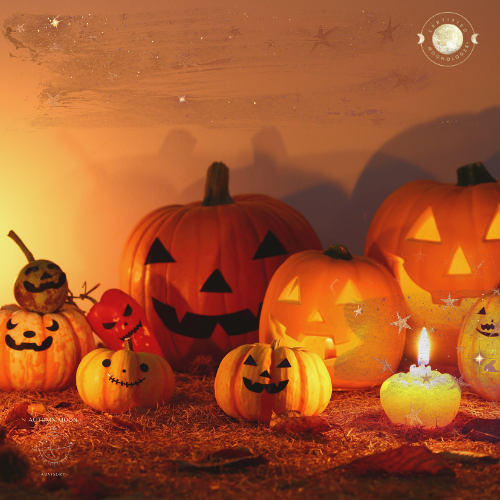
The final cross-quarter day is celebrated on October 31st, Halloween, and is halfway between the Autumn Equinox and the Winter Solstice. On this day, we celebrate our ancestors and death, quite the opposite of the celebration of life and fertility on Beltane. Traditionally, this was the start of Winter and when the crops would die. This is equivalent to the Balsamic Moon Phase, which means healing or soothing. This is when we nurture ourselves so that we are well-rested before the New Moon.
The world around us is filled with natural cycles that we were once very much in tune with. In the days of Amazon Prime and streaming services, everything is a rush. We want it now, and we don’t want to wait. We expect overnight success because that is how to see it on social media.
But if we do slow down, if we stop hustling and wearing our busy badge with honour, we can instead honour ourselves. We can grow and nurture the things that are important to us. We can take care of ourselves. Let’s allow nature to guide us again.
I hope you have enjoyed this week's blog